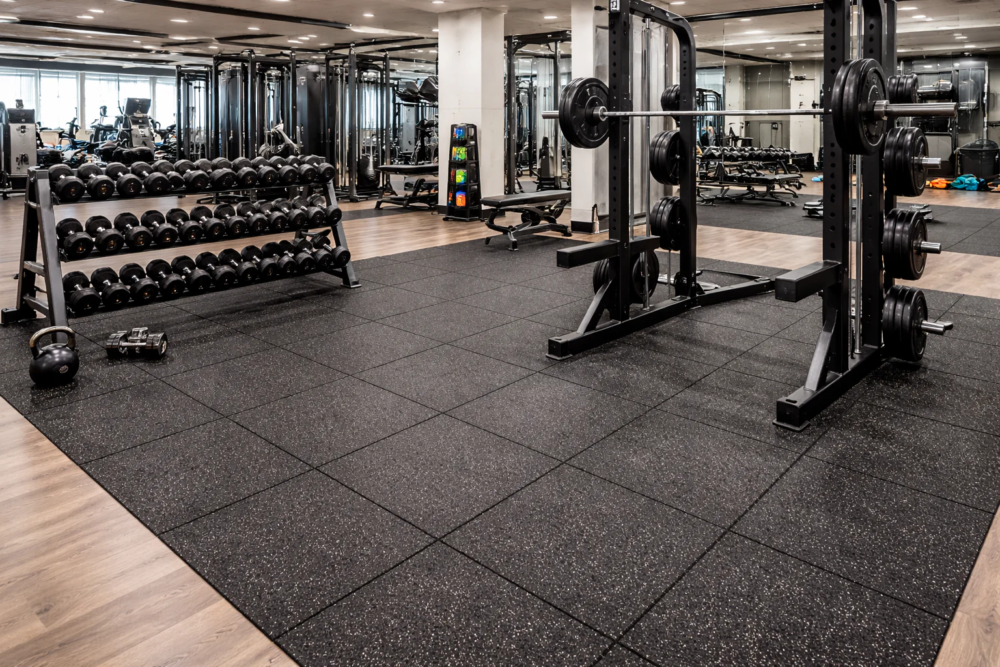
Multi-purpose gyms juggle basketball, group fitness, weightlifting, and community events often on the very same floor, in the same week. Choosing a surface that holds up to all of it used to rely on generic durability ratings. Today, machine learning gym flooring tools analyze real usage patterns to recommend AI multi-use flooring solutions built specifically for how a facility is actually used — not just how it’s labeled on a spec sheet.
Fitness Flooring pairs this kind of data-driven optimization with over 50 years of installation experience, helping schools, recreation centers, and commercial gyms get flooring that’s matched to their real traffic, not a generic average.
Why Multi-Purpose Surfaces Are Hard to Optimize Manually
A single multi-purpose gym floor might host a basketball league on Monday, a HIIT class on Tuesday, and a community fundraiser on Saturday. Each activity creates a different load pattern:
- Basketball and volleyball create high-impact, directional point loads
- Weight training creates concentrated static loads in specific zones
- Group fitness and dance create repetitive, distributed foot traffic
- Community events bring foot traffic from people in street shoes, plus chairs and tables
Manually estimating wear across all these use cases is difficult. Machine learning models solve this by analyzing historical usage data across similar facilities and projecting wear patterns specific to your gym’s actual schedule.
How Machine Learning Optimizes Gym Flooring Decisions
1. Usage Pattern Analysis
By feeding in a facility’s weekly schedule — hours of basketball, group classes, weight training, and events — machine learning models estimate which zones of the floor will experience the heaviest wear over time.
2. Predictive Wear Mapping
Instead of a single durability rating for the entire room, AI tools can generate a wear map showing which sections need reinforced material and which can use lighter-duty surfaces, optimizing both performance and budget.
3. Material Matching
Machine learning models cross-reference your usage profile against performance data from rubber, vinyl, poured, and modular flooring systems to recommend the best-fit material for each zone.
4. Predictive Maintenance Scheduling
AI for community centers and commercial gyms increasingly includes maintenance forecasting — projecting when cleaning, resealing, or tile replacement will be needed based on actual measured traffic rather than a fixed annual schedule.
Best Flooring Types for AI-Optimized Multi-Use Gyms
1. Modular Rubber Tiles
- Best For: Mixed-use zones combining weights and group fitness
- Features: Shock-absorbing, easy to replace tile-by-tile in high-wear zones
- Benefits: Targeted repairs reduce long-term replacement costs
2. Poured Rubber Surfaces
- Best For: High-traffic schools and community centers
- Features: Seamless, customizable thickness by zone
- Benefits: Allows variable cushioning across a single continuous surface
3. Engineered Multi-Sport Vinyl
- Best For: Gymnasiums alternating between basketball, volleyball, and assemblies
- Features: Durable wear layer, optimized traction, line-marking flexibility
- Benefits: Maximizes the usable life of a single floor across many sports
Key Features to Prioritize
- Zone-specific shock absorption based on real usage data
- Traction levels suited to the dominant activities in each area
- Modular repairability for high-wear sections
- Compatibility with predictive maintenance monitoring
- Long-term durability under mixed foot and equipment traffic
Installation Tips for Multi-Purpose Gym Surfaces
1. Map Usage Before You Buy
Provide your installer with a full activity schedule. This data is what makes machine learning recommendations accurate — vague usage descriptions produce vague results.
2. Prepare the Subfloor Properly
Concrete subfloors should be level, dry, and free of moisture issues before installation, regardless of which AI-recommended material is chosen.
3. Maintain by Zone, Not Just by Calendar
- Inspect high-wear zones identified by predictive mapping more frequently
- Rotate cleaning schedules based on actual traffic, not a flat weekly routine
- Replace modular tiles proactively in zones flagged for early wear
Case Study: Optimizing a Community Center Gym Floor
A community center hosting basketball, volleyball, and weekly fitness classes used a usage-pattern analysis to redesign its flooring layout. The result was a poured rubber surface with reinforced zones near the basketball key and weight area, paired with lighter-duty material elsewhere. The facility reported improved durability in high-traffic zones and lower year-over-year maintenance costs compared to its previous uniform flooring.
FAQs About Machine Learning and Multi-Purpose Gym Flooring
Q1: How does machine learning actually improve flooring choices?
It analyzes real usage data — hours, activity types, and traffic patterns — to recommend materials and layouts matched to how your facility is actually used, rather than a generic one-size-fits-all rating.
Q2: Is this approach only useful for large facilities?
No. Even small multi-purpose studios benefit from usage-based recommendations, since mismatched flooring wears out faster regardless of facility size.
Q3: Can existing gym floors be optimized retroactively?
Yes. Usage data from an existing facility can inform targeted repairs or zone-specific upgrades rather than a full floor replacement.
Q4: Does Fitness Flooring use AI-based planning for multi-purpose gyms?
Yes. We combine usage-pattern analysis with 50+ years of installation expertise to recommend the right material and layout for your specific facility.
Q5: How much does predictive optimization save in maintenance costs?
Savings vary by facility, but zone-specific material matching typically reduces premature wear and the frequency of full-floor replacements.
Why Choose Fitness Flooring
- 50+ Years of Expertise: Trusted by schools, gyms, and community centers nationwide
- Data-Driven Recommendations: Usage-pattern analysis paired with proven materials
- Durable Materials: Rubber, poured, and vinyl systems built for mixed-use demands
- Proven Results: Hundreds of multi-purpose facilities successfully upgraded
Conclusion
Optimizing a multi-purpose gym floor no longer requires guesswork. Machine learning gym flooring analysis identifies exactly where reinforcement matters most, while AI multi-use flooring recommendations help facilities get more performance and longevity out of every square foot.
Fitness Flooring brings decades of installation expertise together with modern, data-driven planning to help your facility get it right the first time.
Ready to Optimize Your Gym Floor? Talk to Fitness Flooring’s experts about a usage-based flooring plan for your multi-purpose facility.