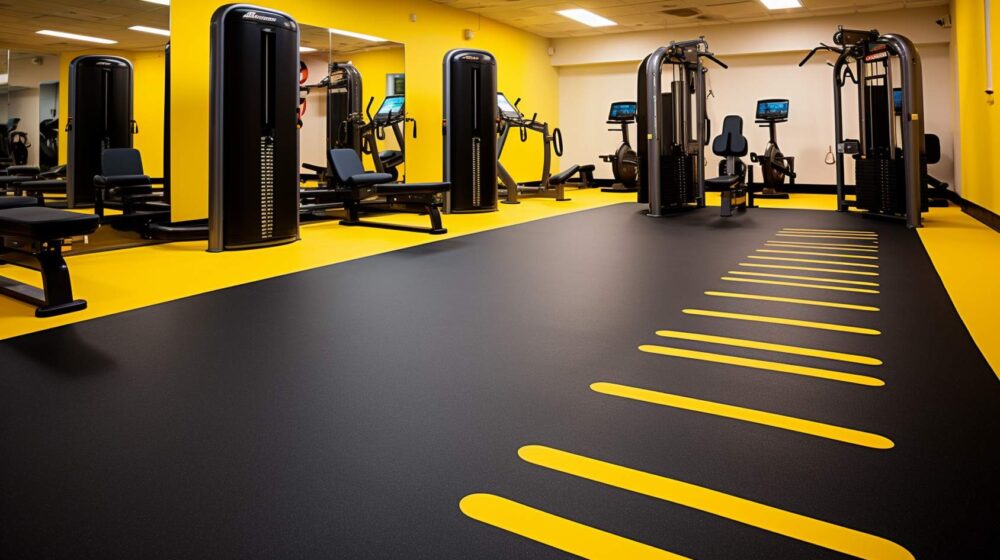
Creating a gym or fitness studio isn’t just about purchasing equipment—it starts from the ground up. The flooring in your facility is critical for safety, performance, and longevity. Among all flooring options, rubber gym flooring stands out as the most versatile, durable, and high-performance choice for gyms, weight rooms, yoga studios, and multi-purpose athletic facilities.
With over 50 years of experience, Fitness Flooring has supplied premium gym flooring solutions nationwide, helping schools, community centers, and commercial gyms install flooring that lasts. This guide will cover everything you need to know about rubber gym flooring, from safety benefits to installation tips and maintenance.
Why Rubber Gym Flooring Is Essential
1. Enhanced Safety and Shock Absorption
One of the most important factors in gym flooring is impact absorption. High-intensity workouts, free weight areas, and group fitness classes place stress on joints. Rubber flooring cushions every step, reducing injuries caused by hard landings or slips.
2. Noise Reduction
Gyms can be noisy. Dumbbells hitting the floor, cardio machines, and group classes create a lot of sound. Rubber flooring dampens noise, creating a comfortable workout environment for both members and staff.
3. Slip Resistance
Sweat, water, or spilled drinks can create hazardous conditions. Rubber surfaces offer excellent traction and reduce the risk of slipping, making your gym safer for athletes of all ages.
4. Durability Under Heavy Use
Rubber gym flooring can withstand heavy traffic, weights, and constant movement without cracking, fading, or warping. Whether for a home gym or a commercial facility, this flooring is built to last.
Types of Rubber Gym Flooring
1. Interlocking Rubber Mats
- Best For: Home gyms, small studios, weight areas
- Features:
- Easy DIY installation
- Modular design for quick repairs
- Cushioned and slip-resistant surface
- Benefits: Quick installation and cost-effective. Perfect for gym owners looking for flexibility in layout.
2. Poured Rubber Flooring
- Best For: High-traffic commercial gyms, multi-purpose facilities
- Features:
- Seamless, durable surface
- Custom thickness and color options
- Reduces tripping hazards
- Benefits: Offers professional-grade finish and long-lasting performance. Ideal for spaces with group classes or heavy equipment.
3. Rubber Rolls
- Best For: Weight rooms, CrossFit boxes, home gyms
- Features:
- Continuous flooring without seams
- Superior shock absorption
- High durability under heavy weights
- Benefits: Provides uniform surface, easy to clean, reduces maintenance needs, and is perfect for lifting areas.
Benefits of Rubber Gym Flooring
1. Protects Equipment and Subfloor
Free weights, cardio machines, and heavy gym equipment can damage your subfloor if unprotected. Rubber flooring absorbs impact, preventing dents, scratches, and damage to underlying surfaces.
2. Enhances Workout Performance
Stable footing and consistent traction allow athletes to focus on their performance. Whether doing plyometric exercises, weightlifting, or HIIT workouts, rubber flooring ensures the floor won’t shift or slip under pressure.
3. Reduces Fatigue
Shock-absorbing flooring reduces strain on joints, helping athletes sustain longer workouts with less fatigue. This benefit is particularly important in gyms hosting high-intensity classes or sports-specific training.
4. Low Maintenance and Easy to Clean
Rubber gym flooring resists spills, sweat, and dirt. Regular sweeping and occasional mopping with mild detergent are all that’s needed to keep it looking new.
5. Customization Options
- Variety of thicknesses to match activity intensity
- Color options for branding or zoning different workout areas
- Modular designs for multi-purpose facilities
How to Choose the Right Rubber Flooring
1. Consider Gym Activity
- Weightlifting areas require thicker, high-density rubber
- Group fitness or cardio areas can use slightly thinner mats with shock absorption
- Yoga or stretching zones need cushioned, non-slip surfaces
2. Assess Traffic Levels
High-traffic commercial gyms require durable, poured rubber or high-quality modular tiles. Home gyms or small studios may prefer interlocking mats for ease of installation and cost efficiency.
3. Factor in Maintenance
Rubber flooring is low-maintenance, but heavier or darker colors help hide scuffs and dirt in busy gyms. Poured rubber and rolls provide the easiest upkeep, while tiles may need occasional replacement in high-use zones.
4. Check for Safety Standards
Ensure the flooring meets safety and environmental standards, such as slip resistance, fire resistance, and non-toxic materials. Fitness Flooring guarantees products that are safe for athletes of all ages.
Installation Tips for Rubber Gym Flooring
- Prepare the Subfloor: Clean, level, and dry surface ensures proper adhesion and long-lasting results.
- Professional vs DIY:
- Interlocking mats can be DIY installed
- Rubber rolls and poured surfaces are best installed professionally for seamless results
- Maintenance Practices: Sweep daily, mop weekly, and inspect for wear in high-traffic zones. Proper maintenance can extend your flooring life to 10+ years.
Case Study: PowerLift Studio
PowerLift Studio upgraded to Fitness Flooring’s rubber gym flooring to enhance safety and performance. The studio needed a durable, low-maintenance surface that could withstand heavy weights and intense HIIT classes. After installation, members reported less fatigue and improved stability during workouts. The studio continues to thrive with minimal maintenance required.
FAQs About Rubber Gym Flooring
Q1: Can rubber flooring be used in home gyms?
Yes! Interlocking mats and rolls are perfect for home gym setups, providing professional-grade performance and safety.
Q2: How thick should rubber flooring be?
Thickness varies by activity:
- 1/4″–3/8″ for group fitness and cardio areas
- 1/2″–3/4″ for free weight and heavy equipment areas
Q3: Is rubber flooring safe for children?
Absolutely! Rubber surfaces are shock-absorbing, non-slip, and free of harmful chemicals, making them ideal for gyms, schools, and community centers.
Q4: How long does rubber flooring last?
With proper care, commercial-grade rubber flooring can last over 10 years, maintaining performance and aesthetics.
Q5: Can I customize the color or design?
Yes, Fitness Flooring offers custom colors, logos, and patterns to match your branding or facility needs.
Conclusion
Rubber gym flooring is the ultimate choice for gyms, studios, schools, and home gyms. It provides safety, durability, performance, and aesthetics all in one. By investing in high-quality flooring from Fitness Flooring, you ensure your facility is ready for high-impact workouts, heavy traffic, and multi-purpose use while minimizing maintenance.
Whether you are outfitting a new gym or upgrading an existing space, our team of experts can guide you in selecting the best rubber flooring solution for your needs.