
The Best Flooring for
Weightlifting Areas
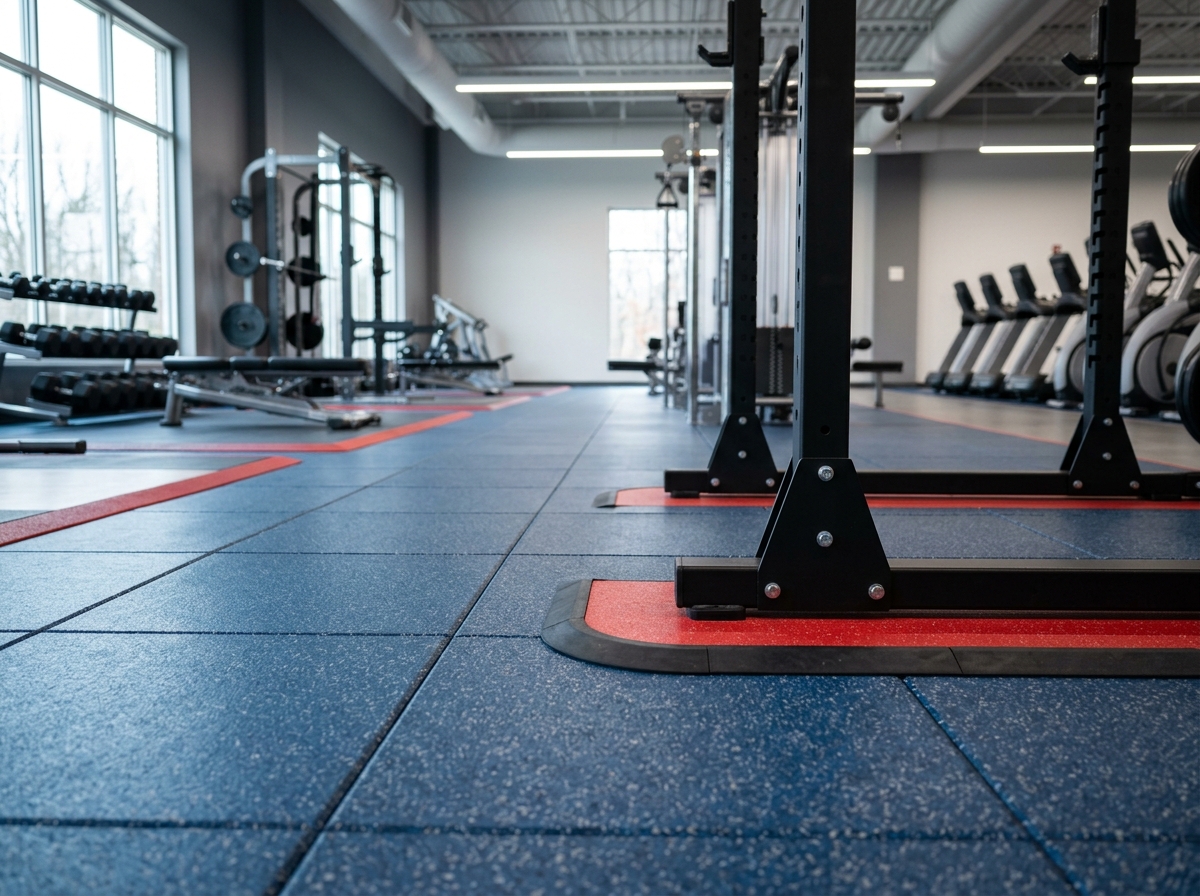
Weight room flooring has one job above all others: absorb the energy of a dropped barbell before it reaches your slab. We supply and install dense rubber systems that do just that, starting at 3/8″ and going up from there.
What is the best flooring for weightlifting areas?
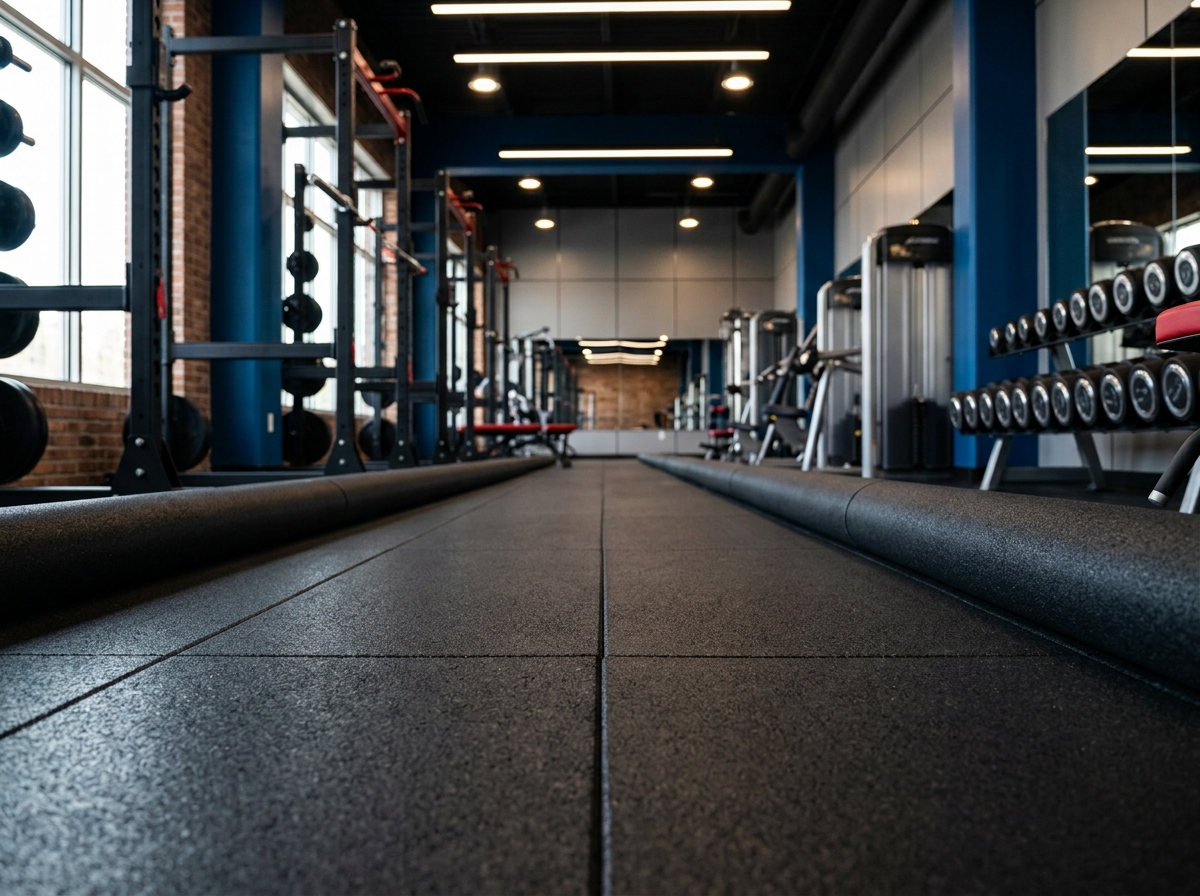
Rubber is the time-tested choice for weightlifting areas because of its foot stability and impact absorption. Dense rubber absorbs the shock of dropped weights, protecting both your equipment and the concrete slab below from cracking and spalling. It also keeps impact noise from traveling into adjacent spaces, and some systems absorb the shock and noise of heavier dropped weights so effectively that even the rooms beneath the weight area stay undisturbed. In addition, rubber remains slip-resistant when wet, giving lifters secure footing during training. For deadlift and platform zones where heavy weights are dropped, specify flooring that is 3/4 inch thick or thicker.

THE FLECKS RANGE
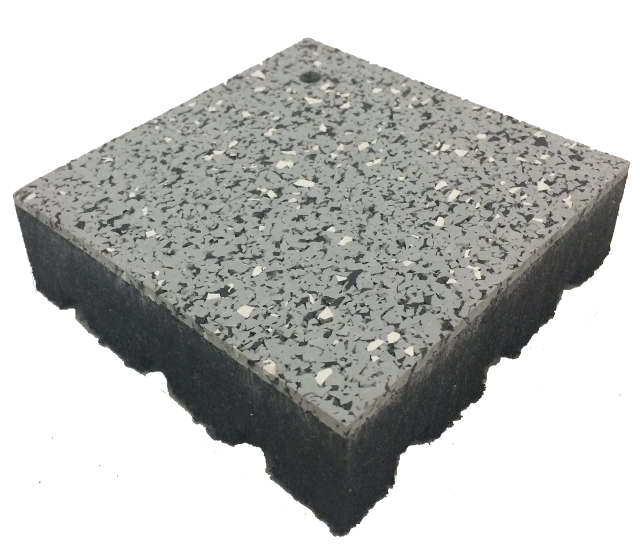
Flecks has been our leading seller of rubber flooring for over 20 years. With its flexibility in color collections, thicknesses and removability, it is practical for free weight, selectorized and CV areas.

Flecks Rubber Flooring
ideal use
ideal use
HIIT & Aerobics
How thick should weight room flooring be?
Thickness is set by what gets dropped and from what height, not by room size. This is what we specify.
| Zone | Thickness | Why |
|---|---|---|
| Selectorized and CV areas | 3/8" | The commercial default for machines and cardio equipment. |
| Deadlift and platforms | 3/4+" | Absorbs the impact of heavy weights being dropped |
| Above an occupied room | 1" | The air space beneath the footed tiles prevent much of the shock of dropped weights from impacting the slab. |
Send us your floor plan and we will identify the best solutions for you.
Weight room flooring formats
Commercial grade rubber designed specifically for weight areas.
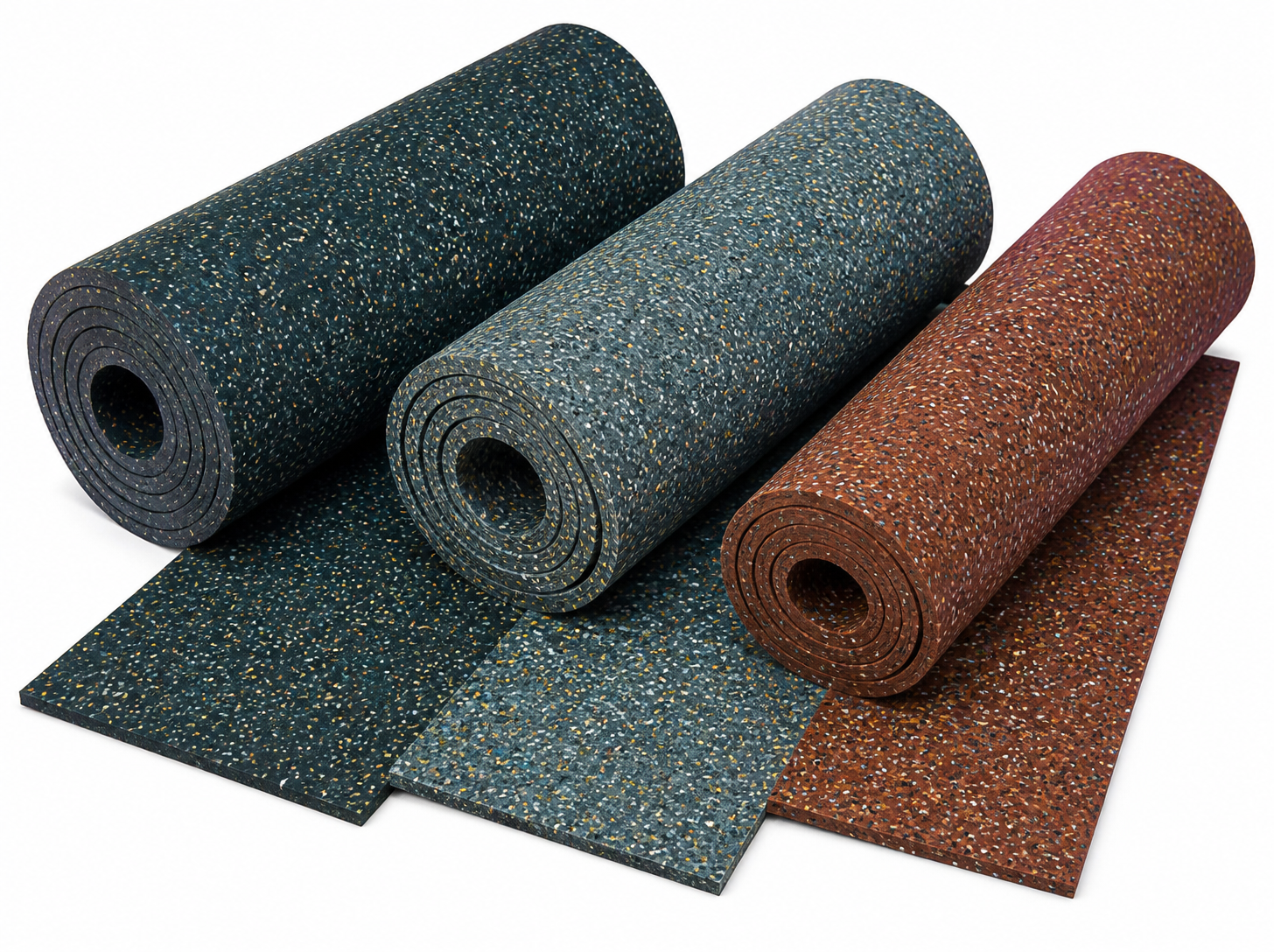
Rolls are 4’ x any length that you specify. These are best glued down to make sure they do not shift.
- Lowest cost per square foot
- Best for open areas such as selectorized or CV machines
- Speckled design makes for a virtually seamless look
Interlocking Rubber
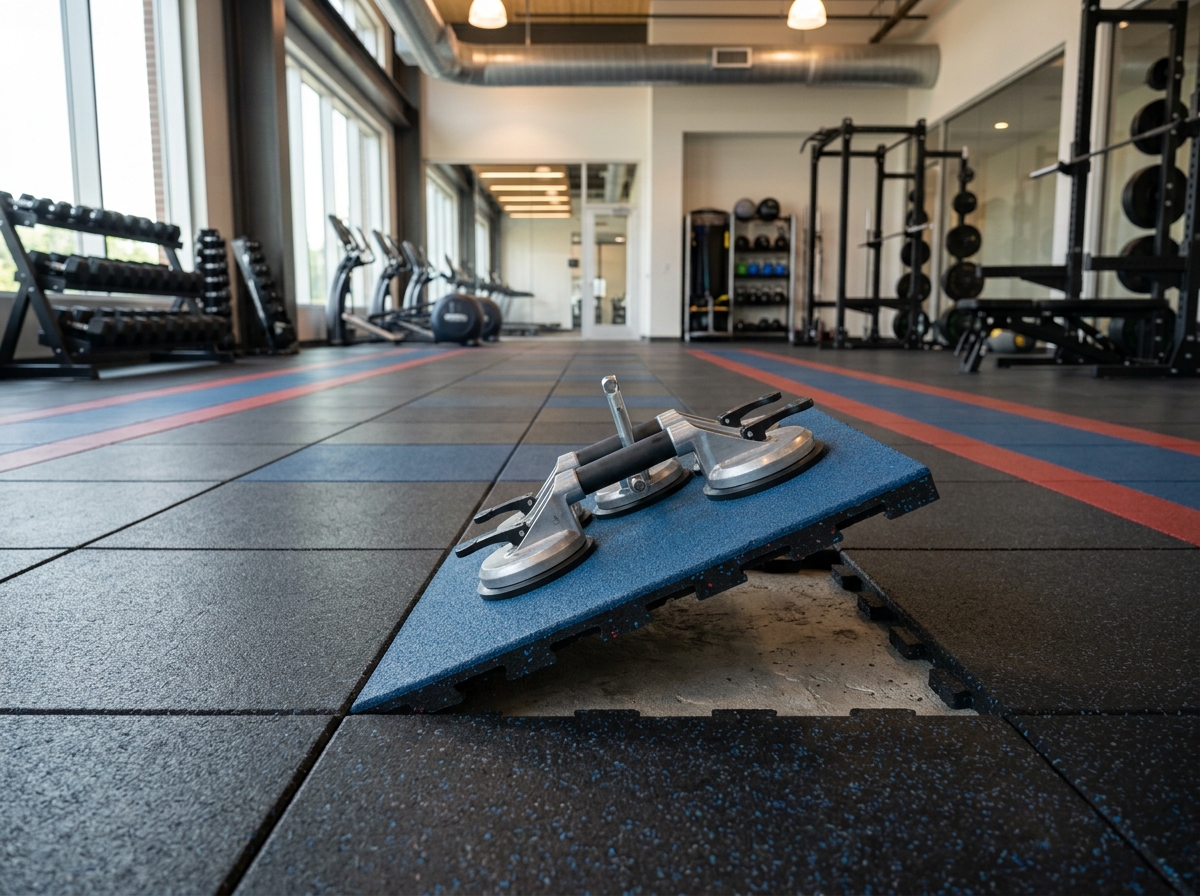
Tiles are 2’ X 2’ with an interlock that is so exact, it is virtually impossible to see the seams.
- Easiest to install, since in most cases, no adhesive is needed
- Easily removable so replacement of tiles is simple
- Can be picked up and moved to another room and reinstalled
Modular tiles
Tiles are 2’ x 2’ by a full 1” or more. They are installed with a dowel system so in most cases can be relocated.
- Built for the greatest amount of impact
- Easy removable so replacement of damaged tiles is simple
- Can be reconfigured for or moved to another area of the weight room floor.
Request For Information
Tell us about your project
Four quick steps. Give us the room, the budget range and the timeline, and we will come back with a specification and an installed price.
Why weight room flooring is a structural decision
Controls Noise
Thickness is the most effective way to stop impact noise from reaching offices, studios, or tenants below. The right thickness keeps your weight room from disturbing the spaces around it.
Grips When Wet
Rubber flooring stays slip-resistant even with sweat on the floor. Secure footing is a genuine safety issue when athletes are lifting heavy loads.
Protects Equipment
Rubber absorbs the shock of dropped weights before it reaches your equipment or the subfloor. This helps protect both your investment in equipment and the concrete slab below.
Low Maintenance
Dust mop and damp mop with a neutral cleaner. There's no sealing, waxing, or refinishing cycle to budget for.
DOCUMENTATION
Specs, installation & maintenance
Everything you need to specify and install Flecks rubber flooring, in one place.
Questions from facility directors
What is the best flooring for weightlifting areas?
Rubber is the time-tested best material for weightlifting areas because of its foot stability and impact absorption. Dense rubber absorbs the shock of dropped weights, protecting both your equipment and the concrete slab below from cracking and spalling. It also keeps impact noise from traveling into adjacent spaces, and some systems do an excellent job of absorbing the shock and noise of heavier dropped weights, even in the rooms beneath the weight area. In addition, rubber remains slip-resistant even when wet, giving lifters secure footing during training. For deadlift and platform zones where heavy weights are dropped, specify 3/4 inch or thicker.
How thick should weight room flooring be?
Thickness is determined by what gets dropped and from what height, not by the size of the room. For selectorized and cardio areas, 3/8 inch is the commercial default for machines and cardio equipment. For deadlift stations and platforms, step up to 3/4 inch or thicker to absorb the impact of heavy weights being dropped. If your weight room is located above an occupied room, use 1 inch footed tiles. The air space beneath the footed tiles prevents much of the shock of dropped weights from reaching the slab, making thickness the single most effective way to control impact noise for the people below.
Will dropped weights damage rubber gym flooring?
Correctly specified rubber flooring will not be damaged by normally dropped weights. When damage does occur, it usually comes down to one of three causes: the flooring is too thin for the load being dropped, bars are dropped on a seam or edge where the flooring is most vulnerable, or equipment is dragged across the surface instead of being lifted and moved. Choosing the right thickness for the load and planning seam placement carefully are the two most important steps in preventing damage and keeping your flooring in good condition.
How do you stop weight room noise from traveling to the floor below?
Start by increasing the thickness of your flooring, since mass and resilience work together to absorb impact energy before it reaches the structure. For weight rooms located above an occupied room, 1 inch footed tiles are recommended, because the air space beneath the tiles prevents much of the shock of dropped weights from reaching the slab. Beyond thickness, you can further reduce noise by adding an acoustic underlayment beneath the rubber flooring, positioning platforms away from structural columns, and keeping the heaviest dropping zones on slab-on-grade floors instead of suspended floors wherever the layout allows.
Can weight room flooring go over an existing floor?
In many cases, yes. Weight room flooring can be installed over sound concrete or plywood, as long as the surface has first been checked for flatness, moisture, and bond. It should never be installed over carpet, cushioned vinyl, or any surface that is loose or damp. A soft or unstable layer beneath the rubber allows the flooring to shift under load, which causes seams to open and edges to lift over time. Confirming that the existing floor is solid, level, and dry before installation is the key to a long-lasting result.
Do you offer installation, and how do I get started?
Yes. With thousands of completed installations and services available nationwide, our team can handle your project wherever your facility is located. To begin, simply send us your floor plan. We’ll review how each area of your space will be used and recommend the right flooring solution for every zone, whether that’s a cardio section, a machine area, or a heavy lifting platform. Once you’re happy with the recommendations, we’ll provide a quote so you can move forward with confidence.
Ready to Move Forward? Let's Talk Floors
OUR LOCATIONS
Areas We Service
Trusted Fitness Flooring Specialists Serving Communities Across the Region